
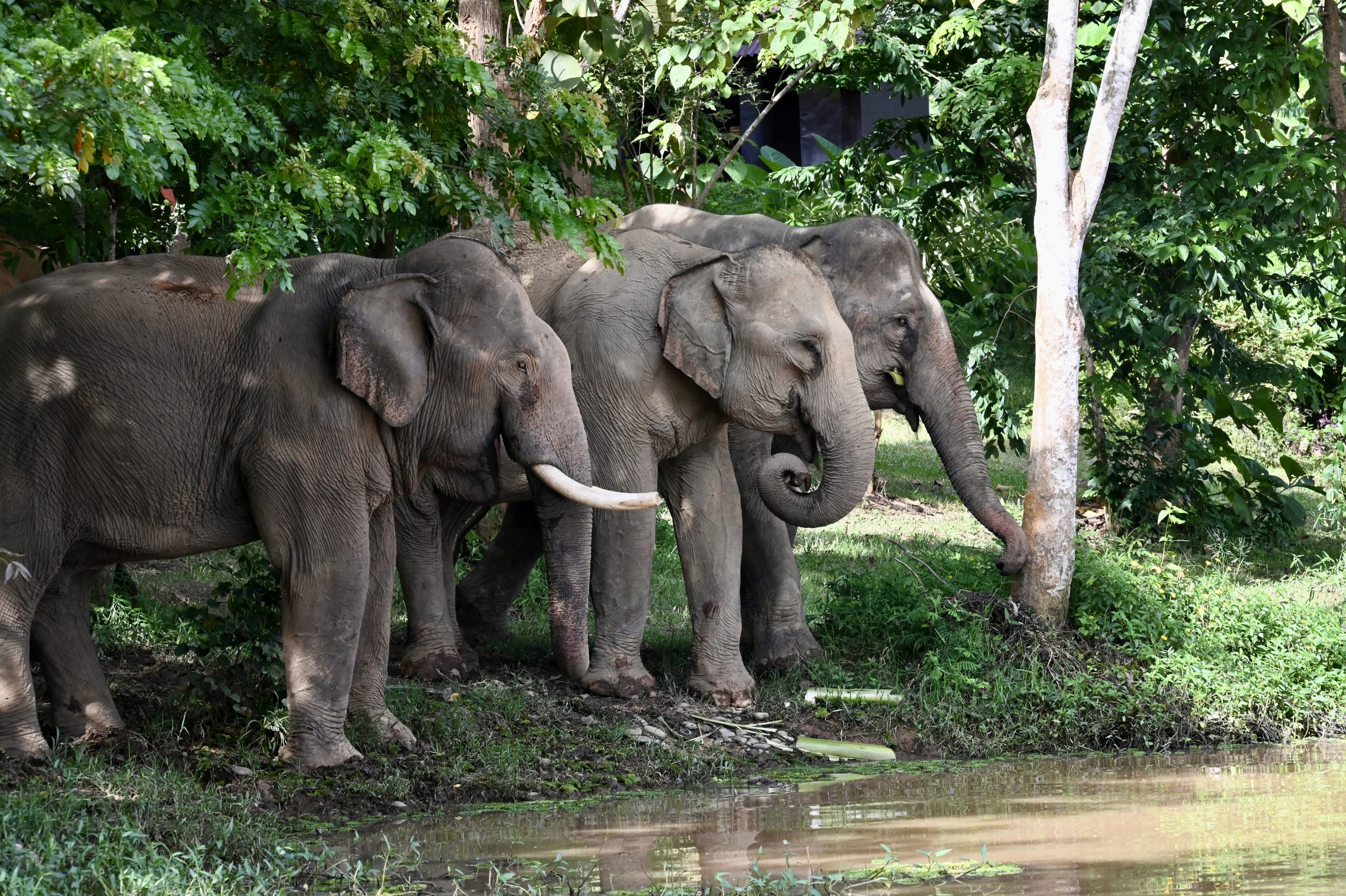

Rescue
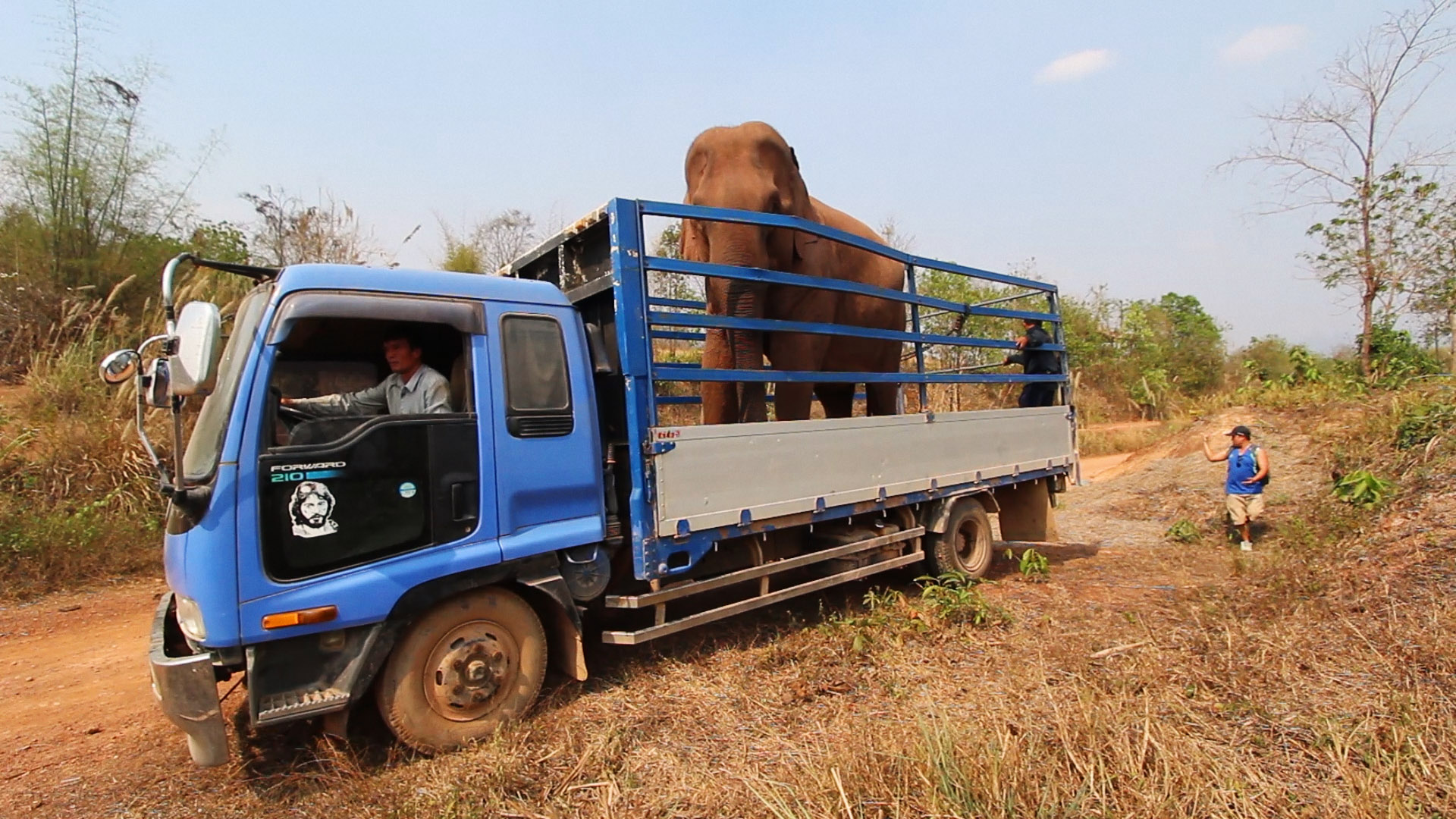
At the ECC, our work starts with rescue. All of our elephants, except those born here, have been rescued and given a second chance in a natural environment of over 530 hectares. Until 2018, most elephants in Laos worked in logging, but when the government banned illegal logging, many were left without work, sold to tourist venues, or kept for breeding. We strive to buy these elephants when available. Among our residents, 12 were rescued from an international trafficking ring. These rescues are the start of our mission to provide a safe, natural habitat for elephants in Laos.
Rehabilitate
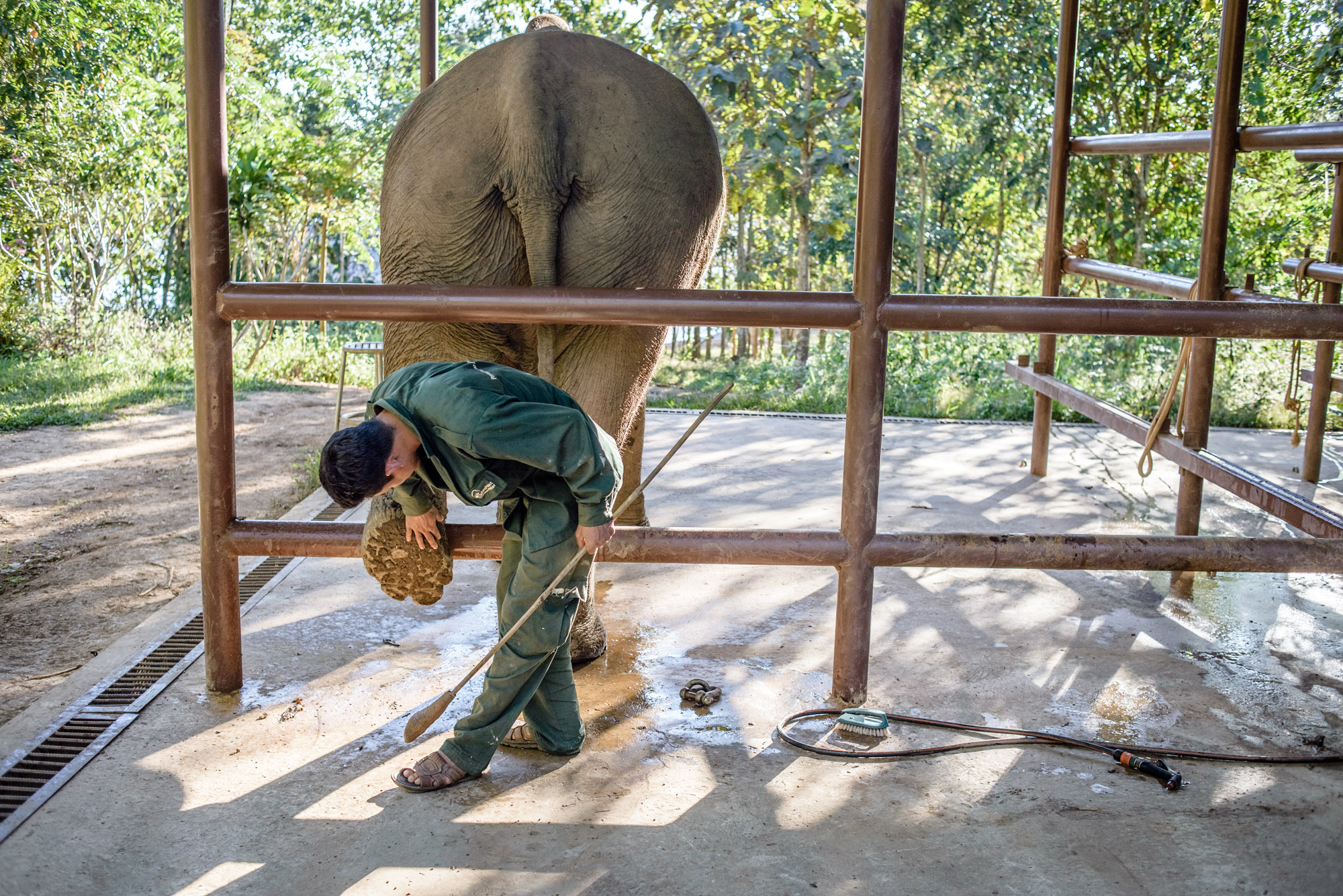
Rescued elephants often need extensive physical and psychological care. As Laos’ only elephant hospital, our Vet & Biology Department provides top-tier medical treatment and rehabilitation. With a modern facility, lab, and pharmacy, our team ensures the best care. We use positive reinforcement techniques to keep the process safe for staff and elephants. Our hospital is open to all elephants and trains veterinary students. In 2024, we launched a Mobile Veterinary Clinic (WILDMED) to expand our care beyond the Center.
Reproduce
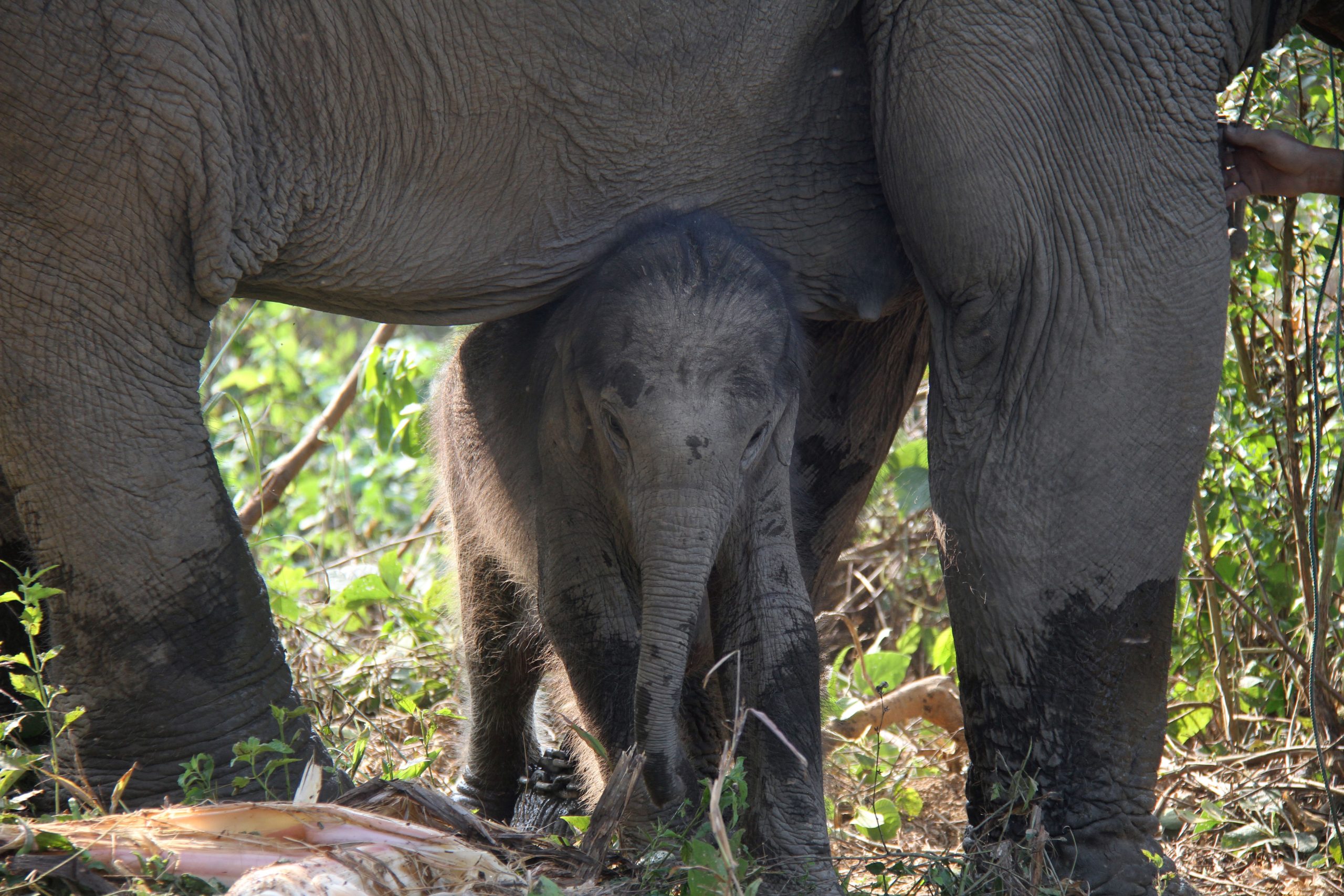
Conserving the endangered Asian elephant requires both protection and proactive efforts to maintain a sustainable, genetically diverse population. We run the only elephant breeding program in Laos, focused on increasing the population in a secure environment. A key challenge is the low birth rate among the aging elephant population, with only two births for every ten deaths annually. This imbalance threatens the species’ survival. Our breeding program combines mahouts’ traditional knowledge with modern scientific techniques to improve reproductive success.
Reherd
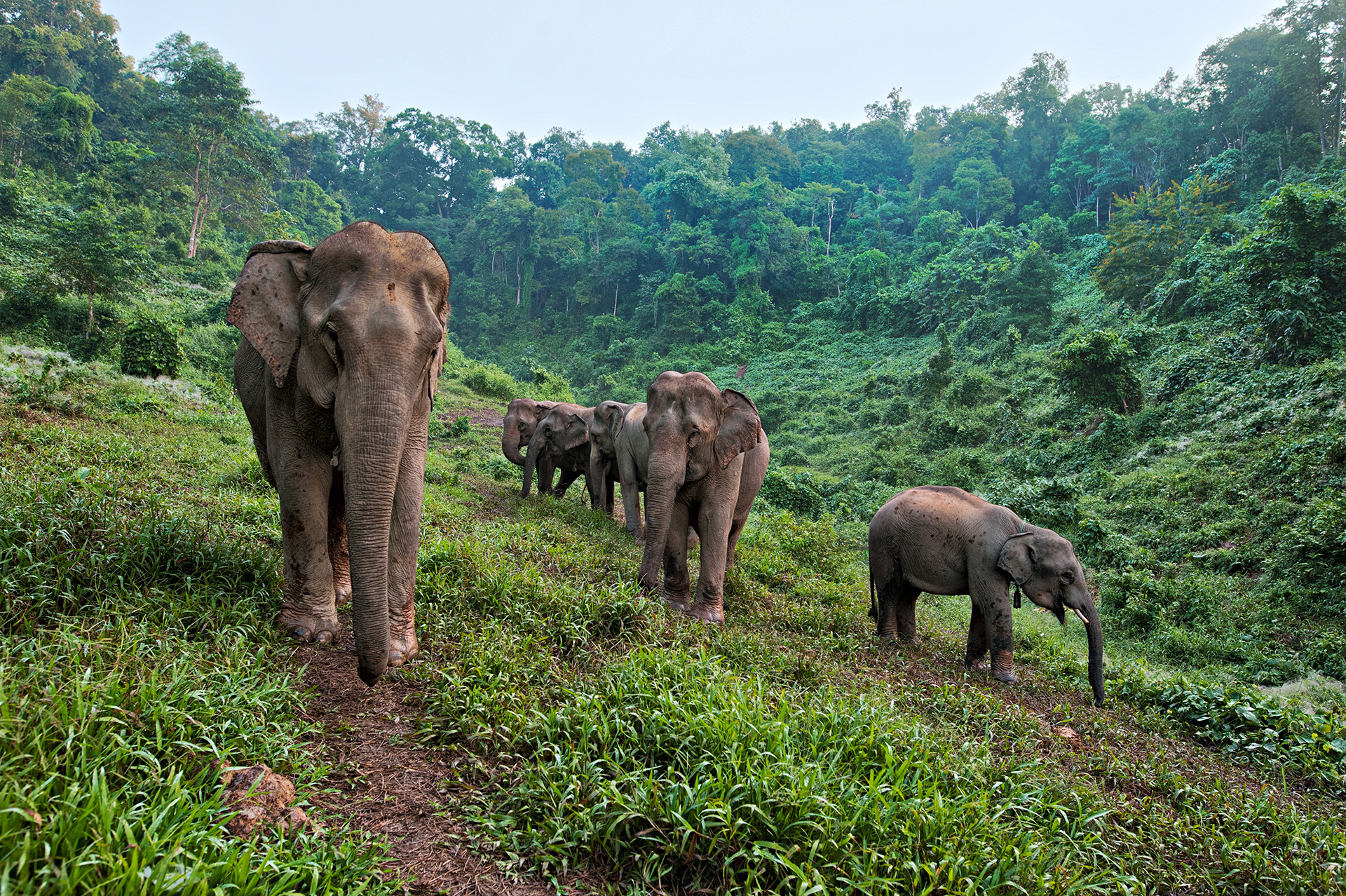
Establishing social groups among our elephants relies on understanding their natural behaviors and dynamics. Many rescued elephants at the ECC have suffered psychological trauma from isolation, exploitation, and overwork, leading to behavioral issues. Reintegration into social groups is therefore delicate and complex. Our caretakers and biologists carefully observe each elephant’s behavior, focusing on interactions, communication, and social preferences. This analysis helps identify potential bonds and determine compatible groupings. The goal is to replicate wild elephant social structures, essential for their well-being and future potential rewilding.
Rewild
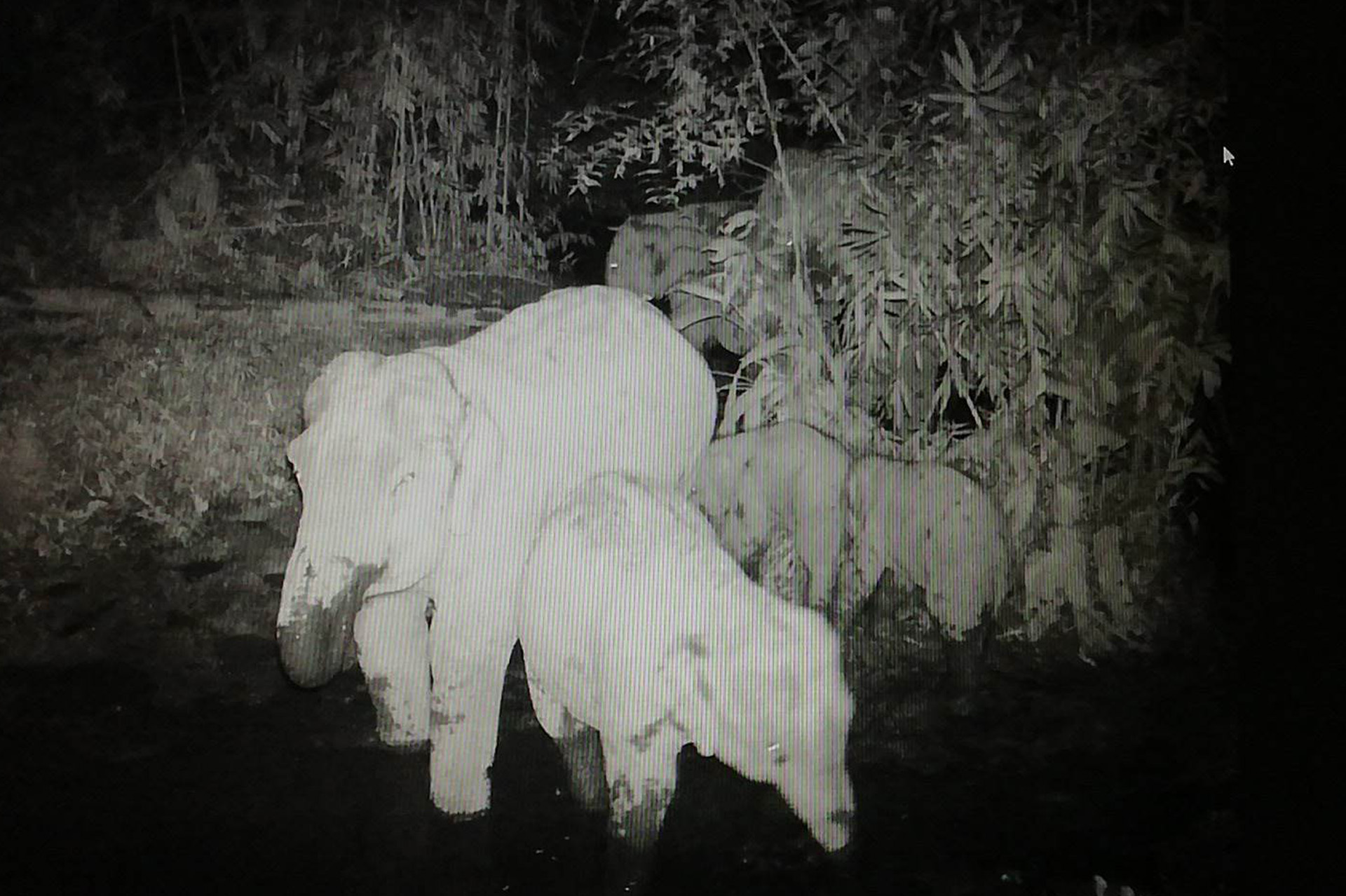
Rewilding elephants stands as one of our most ambitious and transformative objectives. Our groundbreaking rewilding programme is uniquely positioned as the sole initiative in Laos dedicated to the successful reintroduction of elephants into their natural habitat, thereby contributing significantly to regional biodiversity conservation. In 2019, we achieved a landmark milestone by successfully reintroducing four elephants into the Nam Pouy National Protected Area. This historic endeavour involved a meticulous and multi-faceted approach, ensuring that each elephant was not only physically prepared but also socially and behaviourally equipped for life in the wild.
Research
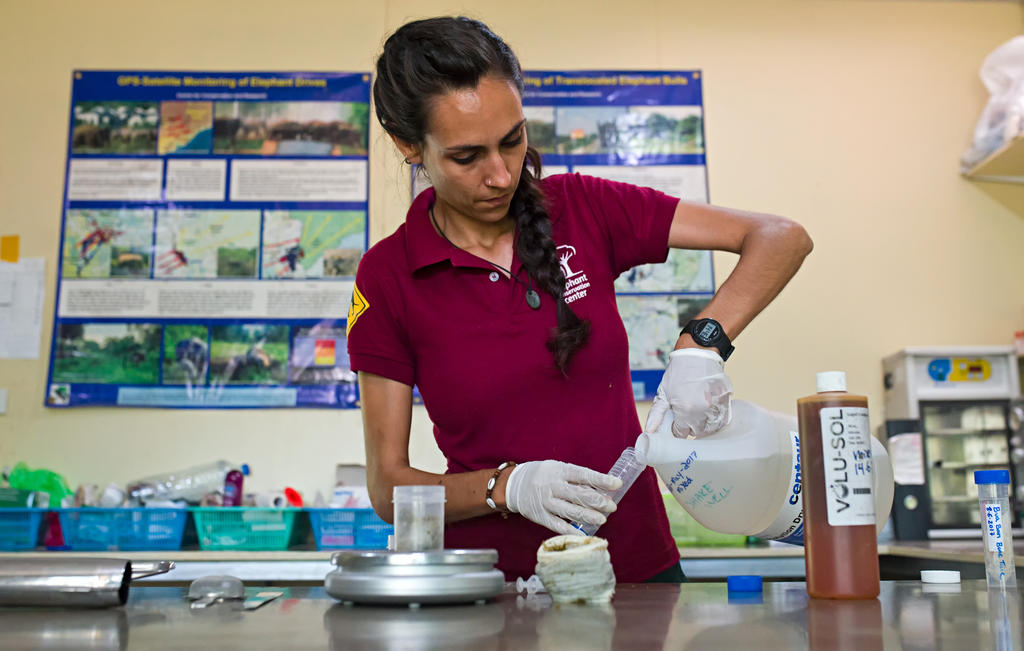
Our dedication to research seamlessly integrates traditional knowledge with contemporary scientific methods.
At the ECC, we are equipped with state-of-the-art research facilities, including a cutting-edge endocrinology lab, a sophisticated diagnostic lab, and a DNA lab, developed in collaboration with The Smithsonian Conservation Biology Institute. These advanced laboratories play a pivotal role in supporting pioneering scientific research, providing critical insights into various aspects of elephant health and behaviour. Our efforts are significantly strengthened by our team of experts who are active members of the IUCN SSC Asian Elephant Specialist Group, ensuring that our work adheres to the latest global standards and practices. We develop precise methodologies for monitoring hormonal cycles, studying the physiological and behavioural effects of ‘musth’ and stress hormones, and optimising our breeding programme.
Respect
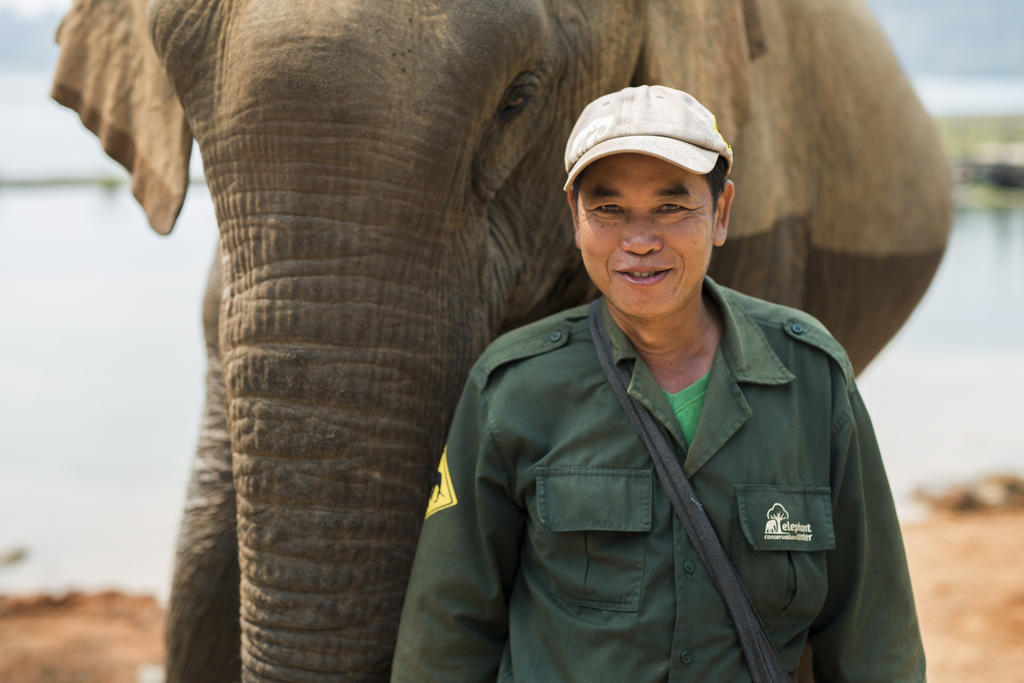
Respecting elephants means safeguarding both their natural habitat and the cultural heritage of their human caretakers. At the ECC, we prioritise the protection of elephants in their natural environment by training and supporting a dedicated ranger team in the Nam Pouy National Protected Area, tasked with conserving wild elephant populations and their ecosystem. Equally, we hold Lao mahouts and their traditional knowledge and way of life in high regard. Beyond creating a safer environment for wildlife, the ECC collaborates closely with local communities, fostering scientific tourism, delivering environmental education to schoolchildren, and promoting alternative agriculture projects to generate sustainable income.